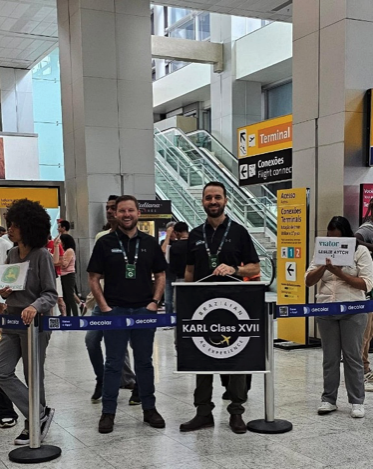
KARL Class XVII Brazil International Study Tour
March 22 – 30, 2026
Submitted by: Justine Johns
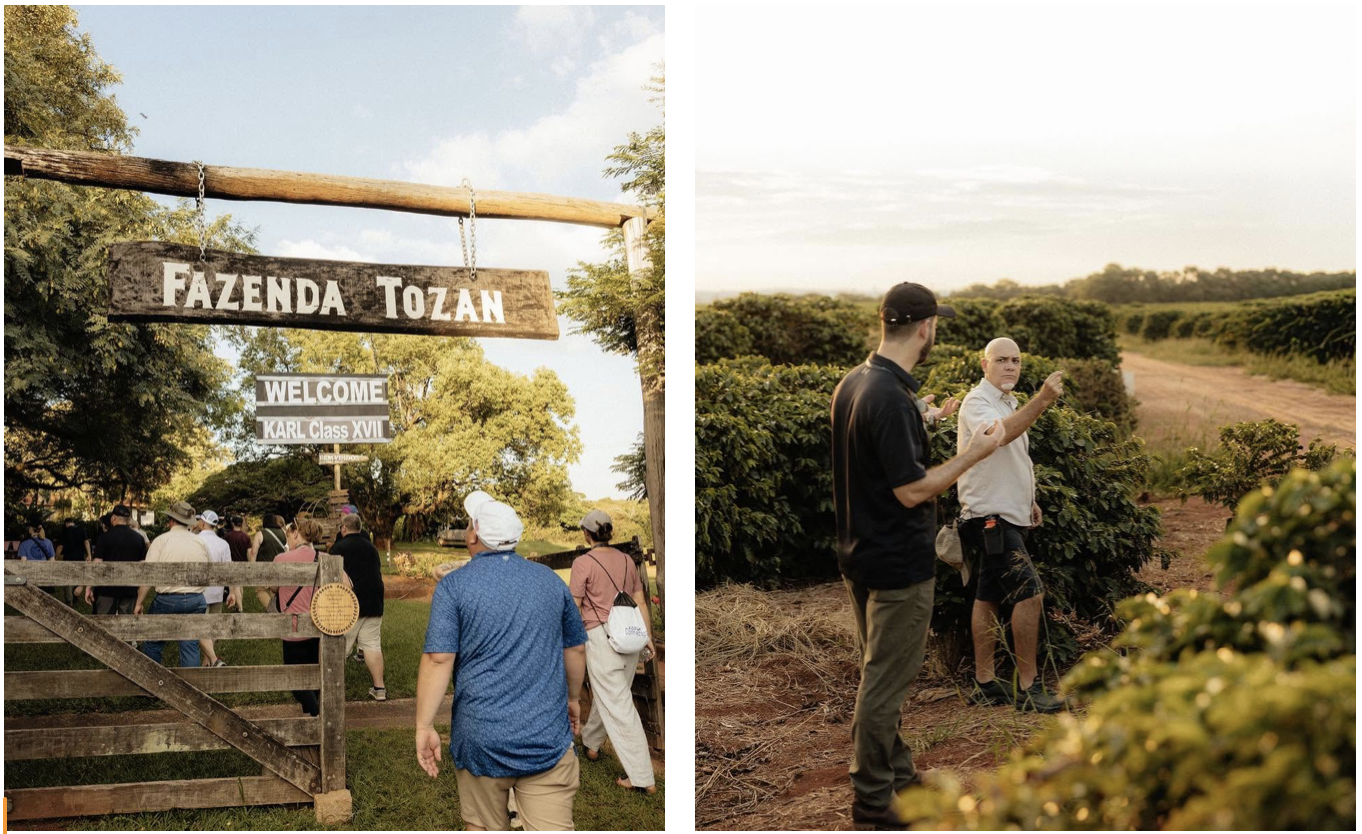
KARL Class XVII Brazil Day 1— We landed after a 10-hour overnight flight a little worn down but ready to take on day one, and it felt fitting that our first stop was Tozan Coffee Farm. Sitting on 1600 acres with about a third dedicated to coffee, the rest rotating through corn and soybeans, this operation blends tradition with efficiency in a way that was incredible to see firsthand. Their coffee trees are organized by age, some as old as 20 years, and the production cycle moves through flowering, green beans, and mature harvest. What once took 30 days to dry now takes just 3 on pavement, and while one man can plant about 200 seedlings a day, machinery can plant 1500 per hour. With over 400 varieties of coffee grown in Brazil and a team of 50 full time workers plus 50 seasonal hands, the scale and precision behind every cup is something you don’t fully grasp until you’re standing in it.
Alongside innovation, there is deep history rooted in this place. Tozan shared the realities of slavery on the farm, where individuals were once treated as tools rather than people, and later the transition as Italian immigrants entered the workforce and pushed for better conditions and wages. That shift marked a turning point not only for labor but for the future of agriculture in the region. Today, practices like planting perpendicular to hills for soil conservation and using corn as shade for young coffee trees show how far the industry has come. We wrapped up the day with dinner at Bella Cafe, enjoying local food and drinks and getting a chance to reflect on everything we had seen and learned.
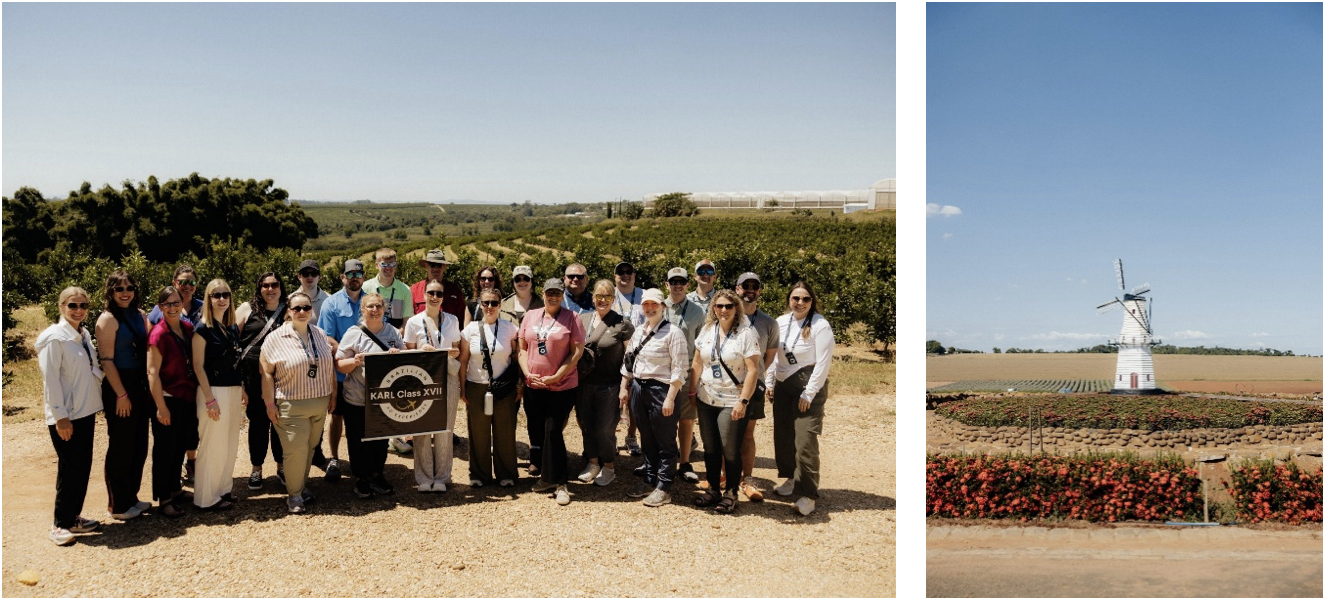
KARL Class XVII Brazil Day 2 – We started refreshed and ready to go as we kicked things off at a Santa Eliza citrus farm with Luis Carlos Pelissari, the general manager. This operation spans 2,740 acres of orange groves, and we heard from the farm team, Fundecitrus, and a state agriculture representative about the scale and innovation behind citrus production in Brazil. From irrigation systems and pest monitoring to drones, technology plays a major role, but so do challenges like citrus greening, a devastating disease with no cure that is spread by the tiny psyllid insect. Brazil produces about 68% of the world’s orange juice, making it incredibly impactful to see this industry up close.
After a quick lunch, we headed to Ceaflor Flowers, a large flower and garden center run by producers. We wrapped up the day at Macena Flowers, a popular privately owned flower farm, where we wandered through the gardens and enjoyed some ice cream and a crisp beverage. We ended the day with downtime by the pool, had dinner together, and settling back in at the hotel.
Safe to say, this day was pretty sweet… with just a little bit of zest.
KARL Class XVII Brazil Day 3 – was all about seeing the scale, science, and systems behind it all.
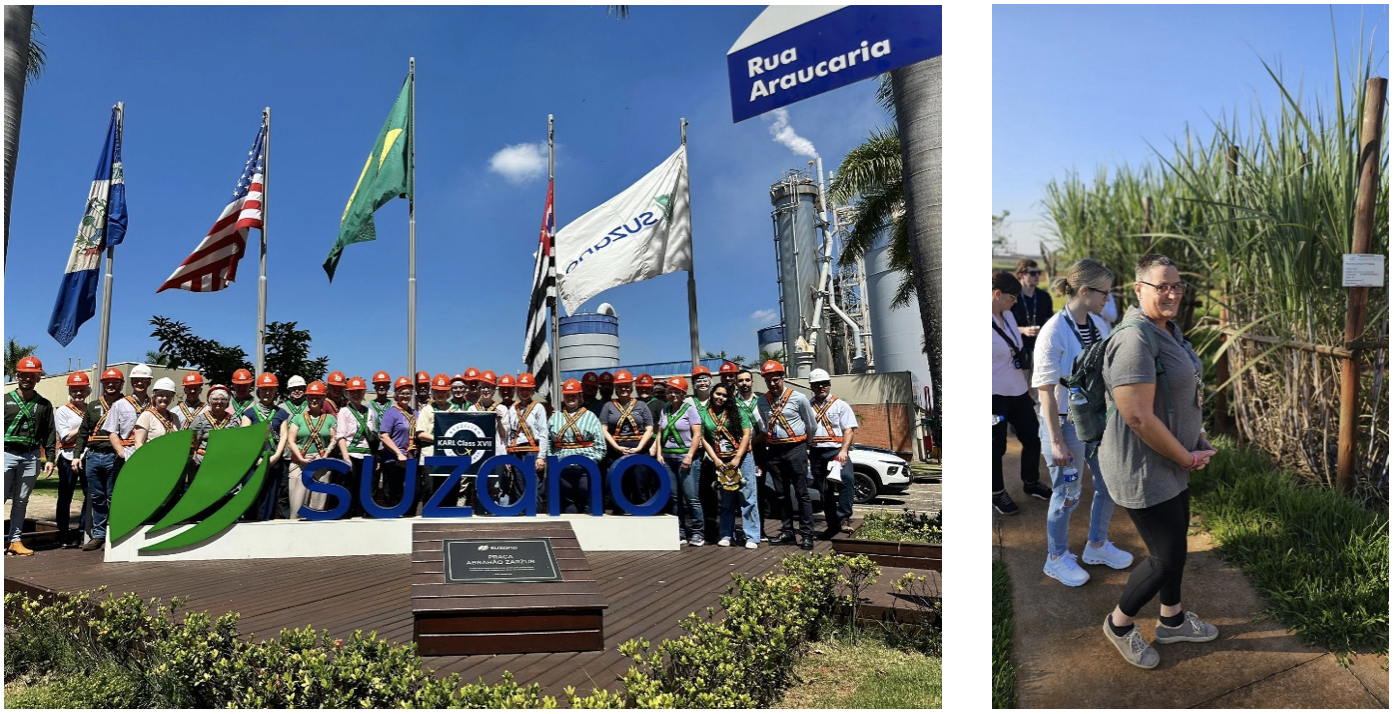
We started off our day at Suzano, which operates across multiple business units from forest development to pulp, paper, and packaging, and everything starts with eucalyptus trees grown specifically for production. They’re planting about 1.2 million seedlings a day across 1.7 million hectares, with a quick 5–7-year turnaround from seedling to harvest. Brazil leads the world in pulp production, and it was interesting to see how something that feels so every day is produced at this kind of scale. The whole system is incredibly intentional, with a big focus on sustainability and innovation, all while navigating challenges like labor, logistics, and climate. The morning was an impactful look at the scale and precision that drives this industry.
In the afternoon the class put their science caps on and visited CTC, the Sugar Cane Technology Center, and got a look at the research and innovation driving one of Brazil’s biggest industries. Brazil produces about 35% of the world’s sugarcane and is a major player in ethanol, which makes up around 17% of their energy use. CTC houses one of the largest sugarcane germplasm banks in the world and has a strong research focus across breeding, biotech, and seed development. With over 150 PhDs and 40 research fields, it’s clear how much science is behind keeping this industry moving forward. It was a really cool reminder of how agriculture, research, and energy all tie together here in Brazil!
Sugar, science, and a whole lot of growth… hard to beat that!
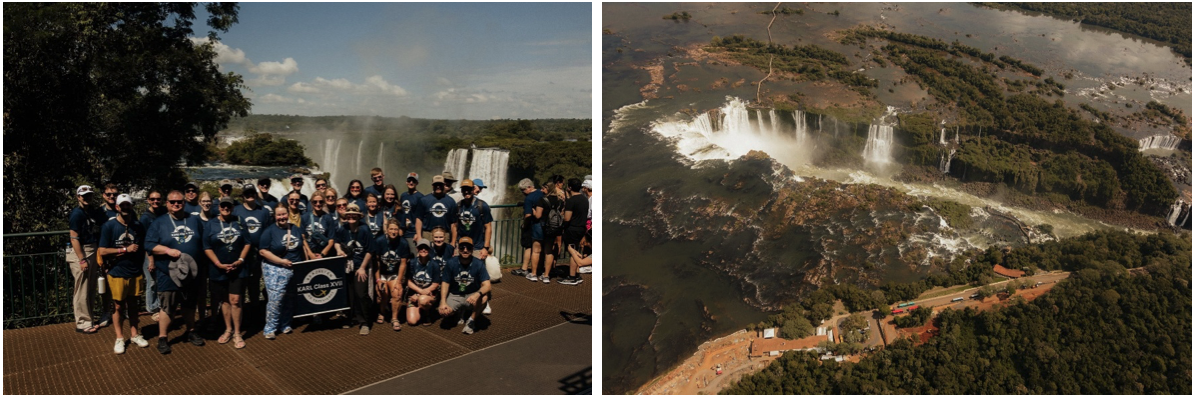
KARL Class XVII Brazil Days 4 & 5 – took us to the breathtaking Iguaçu Falls, and it was nothing short of incredible. We started the morning hiking about a mile and a half down into the falls, taking in the power and scale of the water from every angle along the way. Standing at the base, surrounded by mist and the constant roar of the falls, really put into perspective just how massive and dynamic this natural wonder is. After spending time at the bottom, we made the climb back up and enjoyed a well-earned lunch at Restaurante Porto Canoas.
The afternoon gave everyone a chance to experience adventure in their own way. Some of us explored the nearby Parque das Aves, getting an up-close look at Brazil’s vibrant birdlife, while others took to the skies for a helicopter tour over the falls—an unforgettable view of the landscape from above. It was the perfect mix of adventure, perspective, and appreciation for one of the most remarkable places we’ve experienced on this trip!
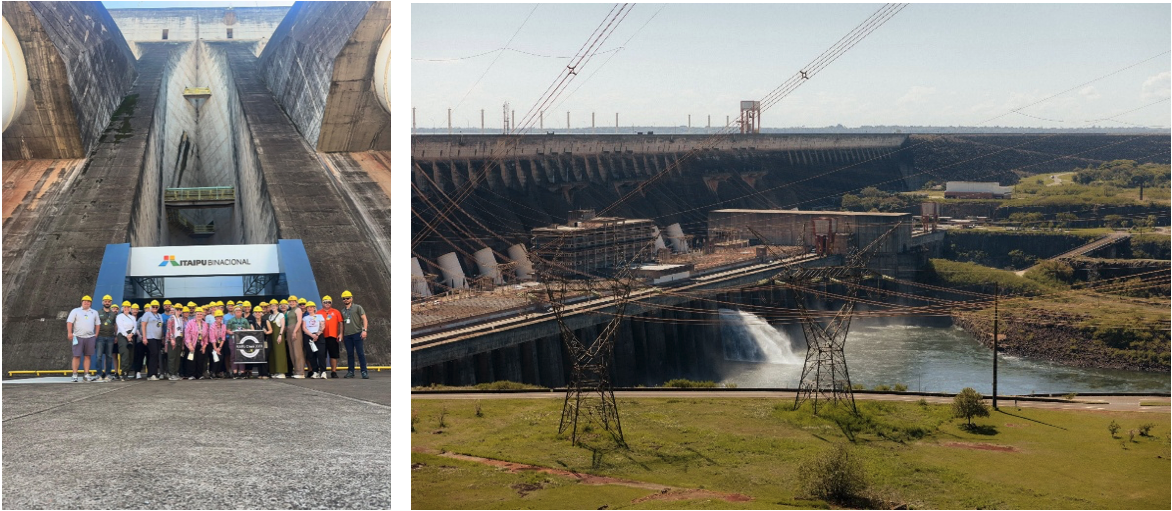
KARL Class XVII Brazil Day 6 – kicked off with a visit to Itaipu Dam, one of the largest hydroelectric power plants in the world. Getting to see the scale and engineering behind Itaipu in person was impressive, and it sparked some great conversations around energy production and infrastructure on a global level. From there, we made our way to a nearby viewpoint where we could quite literally stand in Brazil and look out over both Argentina and Paraguay—a pretty surreal reminder of just how connected this region is.
We slowed things down a bit in the afternoon with a stop at a local shopping mall and grocery store, taking in a little everyday life in Brazil before wrapping up the day in the best way possible. The night ended with dinner and drinks on a rooftop, followed by a full-on karaoke session where we confidently introduced Brazil to how America does karaoke. Let’s just say… we didn’t hold back and the crowd got the full performance.
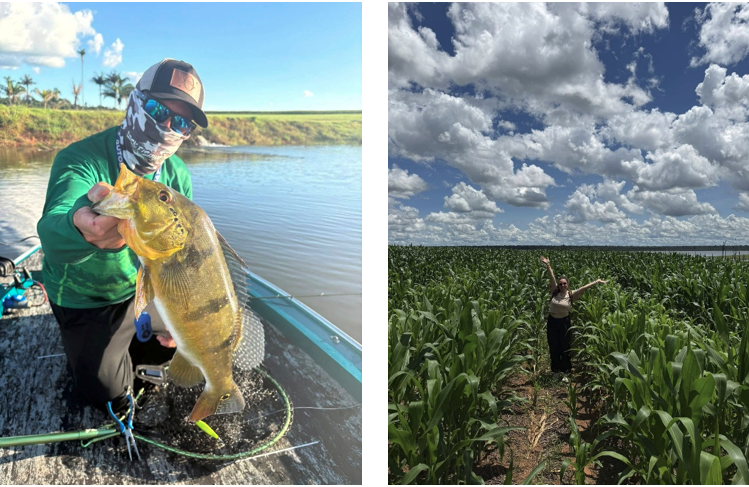
KARL Class XVII Brazil Days 7 & 8 – started with a bus tour to to more rural areas to see production and preservation in Mato Grosso. We started the day learning about corn production in the region, along with the critical role natural grasses play in preventing soil erosion and maintaining long term land productivity. It was a great reminder that successful agriculture here depends just as much on conservation practices as it does on output.
From there, we visited Oasis da Amazônia, where we took a short hike through the forest and learned how land use changes as you move closer to the historic Amazon basin. In these regions, farmers are required to set aside up to 80% of their land for conservation, creating a unique dynamic between agriculture and environmental stewardship. We also saw firsthand how operations adapt when faced with disruptions like eminent domain or large scale development projects, often turning to alternative income streams like agrotourism.
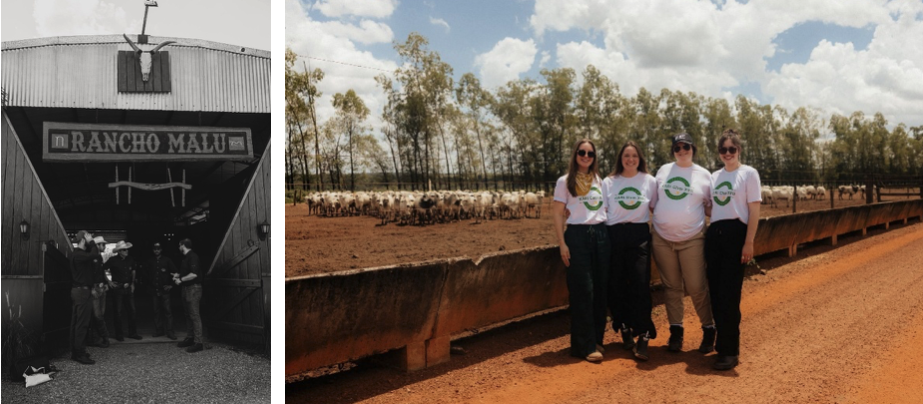
KARL Class XVII Brazil Day 9 – brought us back into the heart of Brazilian agriculture, starting with a seminar at the Federal University of Mato Grosso focused on agricultural development in Mato Grosso and the Sinop region. It was a valuable opportunity to hear directly from experts about the growth, challenges, and innovation shaping one of Brazil’s most important ag areas. From there, we headed out to Feedlot Malu, where we got an up close look at their feeding operation and management practices, adding real world context to everything we had just learned.
After a quick lunch, we spent the afternoon at Santa Monica Farm, a family operation that gave us a deeper appreciation for the people behind the production. We wrapped up the day with a farewell BBQ featuring traditional Brazilian churrasco, sharing good food, great conversation, and reflecting on everything this experience has given us. Safe to say we ended the day full in more ways than one.
On behalf of KARL Class XVII, we wanted to give a huge heartfelt thank you to Agro Connection and the incredible team who made this Brazil experience what it was—Carlos, Alex, and Rafael.
From the very beginning, you didn’t just guide us through Brazil… you welcomed us into it. You gave us access to people, places, and perspectives we never could have experienced on our own, all while sharing your knowledge, passion, and pride for Brazilian agriculture. Every detail was intentional, every stop meaningful, and every conversation impactful.
This trip was unforgettable because of you three, and we are walking away not just with what we learned, but with the relationships built along the way.
Muito obrigado, for everything.