
Southeast Kansas Seminar –Day One
Wednesday, December 3, 2025
Submitted by: Justine Johns
Southeast Kansas Seminar – Pittsburg & Cherryvale
With travel starting anywhere from 3 am – 6 am, part of the KARL Class XVII got an early start and began their Southeast Kansas seminar with a look at one of the state’s newest and most significant agricultural investments. The day began in Cherryvale with an optional pre-seminar tour of the Bartlett Grain Soybean Processing Facility, a state-of-the-art soybean processing plant.
We began with a video tour and presentation that introduced us to Bartlett and its history, and ended with a walking tour of the grounds. Impressively, the facility is designed to hold 3 million bushels of beans on site, produce 500 million pounds of oil, 1 million tons of soybean meal, and 70,000 tons of soy pellets annually. They also crush approximately 140,000 bushels per day or 50 million annually. It was a pleasure to gain the inside scoop on the company, their passion for not only the agricultural industry but also the rural community they have become a part of. They have become a genuine resource for local farmers in their community, and I left thinking that SW Kansas is very fortunate to have them.
Following the tour, the class traveled to Pittsburg for lunch at Andiamo & Co., an adorable little community space right on the edge of downtown that also holds a public office space and living area, featuring a locally sourced meal from TOAST. Over lunch, Class XVII chatted and enjoyed filling each other in on all the happenings of the last few weeks since we’d seen each other last in KC & Lincoln. You’d think seeing each other only once a month would lead to a lack of conversation and updates, but not with our class; we can chat all day if you let us!
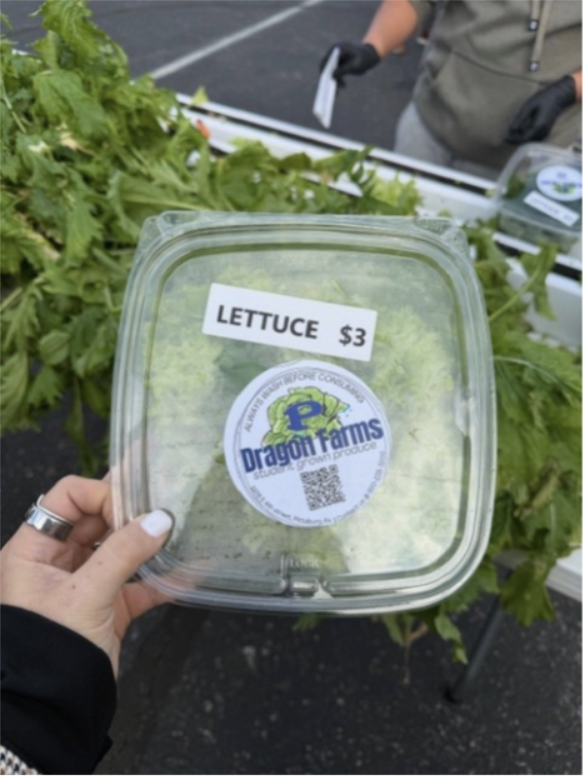
The afternoon continued at Pittsburg High School, my personal favorite of the day. Here we got to meet Mrs. Ross’s class and learned about Dragon Farms, a student-driven initiative that integrates agriculture, education, and community partnerships. The students presented first (doing a great job, I might add – presenting in front of 30 adults dressed up all fancy would be terrifying as a teenager), giving us a background on their program. Using a hydroponic farm in a shipping container, students grow over 2.5 acres of produce annually.
Crops grown at Dragon Farms primarily include a variety of lettuces, as well as some kale and basil. The students then harvest, clean, prepare, and package the greens to sell to the PHS cafeteria, cooking class, local restaurants, farmers market, and a large portion of greens are donated to the community throughout the year. My own high school agricultural experience was such a pivotal part of my youth, so I found it truly inspiring to see young people participate in this program, whether they already loved agriculture or had the chance to develop that passion through the hands-on activities provided. Hats off to Mrs. Ross and PHS.
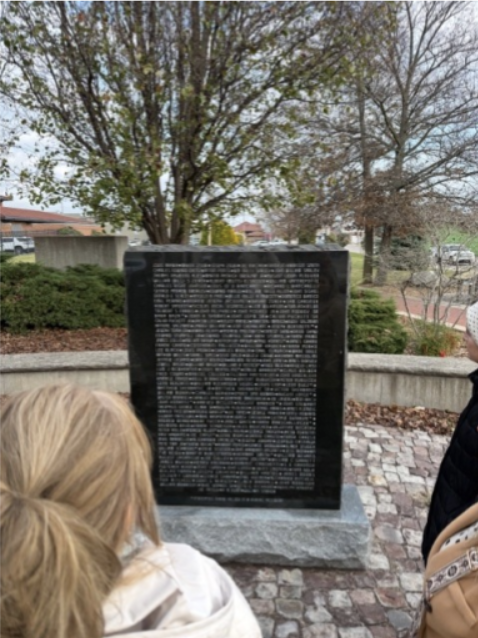
Back downtown, Chuckie Hessong, owner of Andiamo & Co. and creator of Laughing Rooster Eats, led the class on a walking tour of downtown Pittsburg. The tour provided historical context, insight into recent and ongoing downtown development, the role of Pittsburg State University in shaping the community’s growth and identity, and an understanding of the role mining played in the development and shaping of southeast Kansas.
The afternoon concluded with a candid conversation with Chuckie and Heather Horton, owner of TOAST, the Bread Co., and a cake shop, who shared their entrepreneurial journey and discussed the importance of community engagement, collaboration, and local food sourcing in building a successful small business. They emphasized the importance of being unique while also offering variety in business. One of the things that impressed me most was Heather’s priority to utilize locally sourced food items, such as vegetables, meat, bread, eggs, etc., first, and then supplement what they can’t get locally with outside providers. As a small business owner myself, I was truly honored to hear from and be in the presence of two community-driven, female powerhouses who have certainly left their mark on the Pittsburgh community.
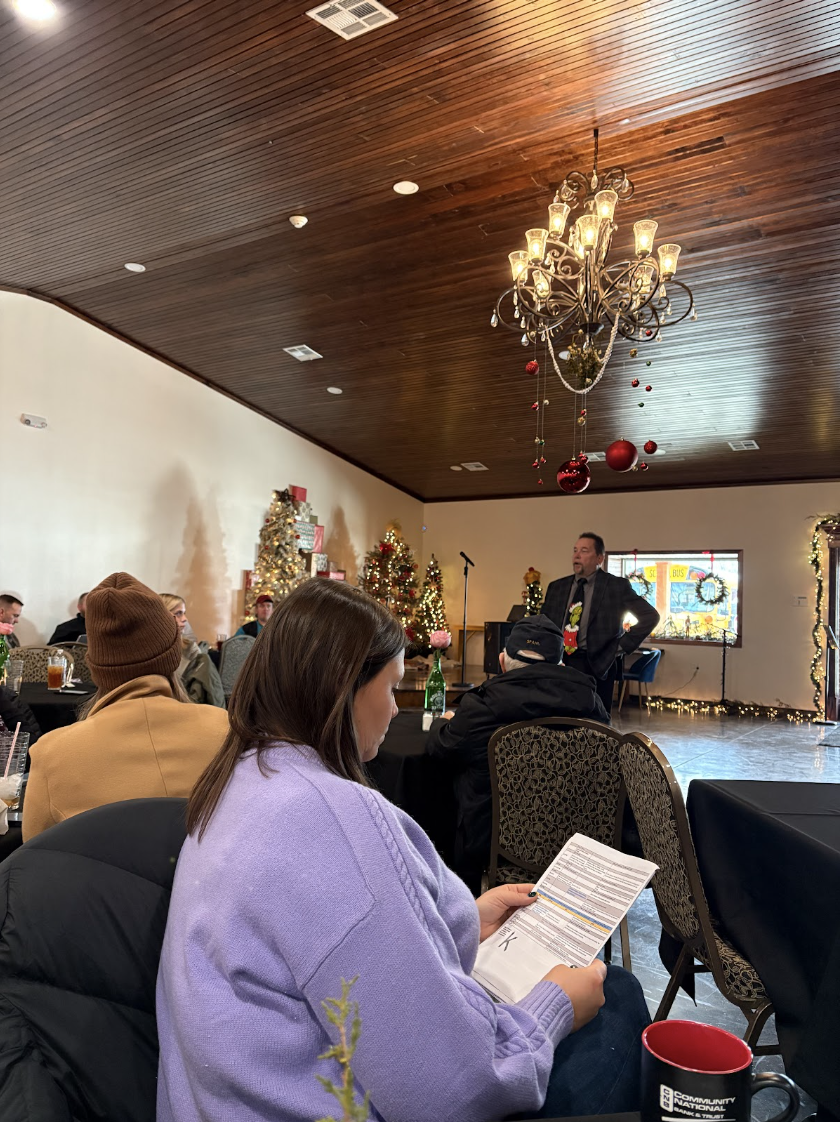
The evening brought the class together for a reception and dinner, joined by local supporters and fellow alumni. The day concluded with a powerful keynote presentation from KBI Special Agent Shawn Campiti, who shared the deeply personal story of losing his son, Kooper, and spoke candidly about the fentanyl crisis in Kansas. His presentation provided a sobering and impactful close to the day, reminding the class of the human side of public safety challenges facing communities across the state.
Southeast Kansas Seminar – Day Two
Thursday, December 4, 2025
Submitted by: Juliana Whisman
SE Kansas has such a unique history, and a lot of that past has informed its identity today. Our seminar to Pittsburg and the surrounding area was informative and inspiring. While the area bears a lot of scars from their history, the people there are doing good and fruitful things for their region.
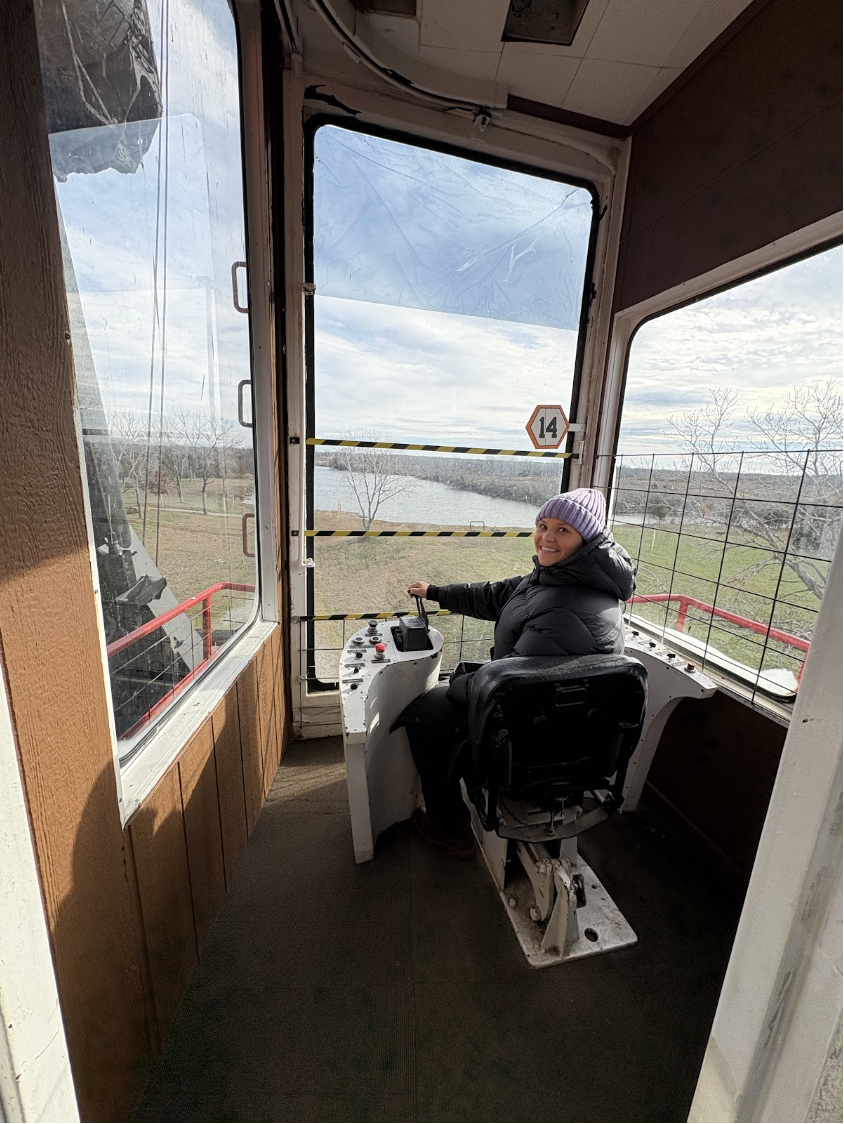
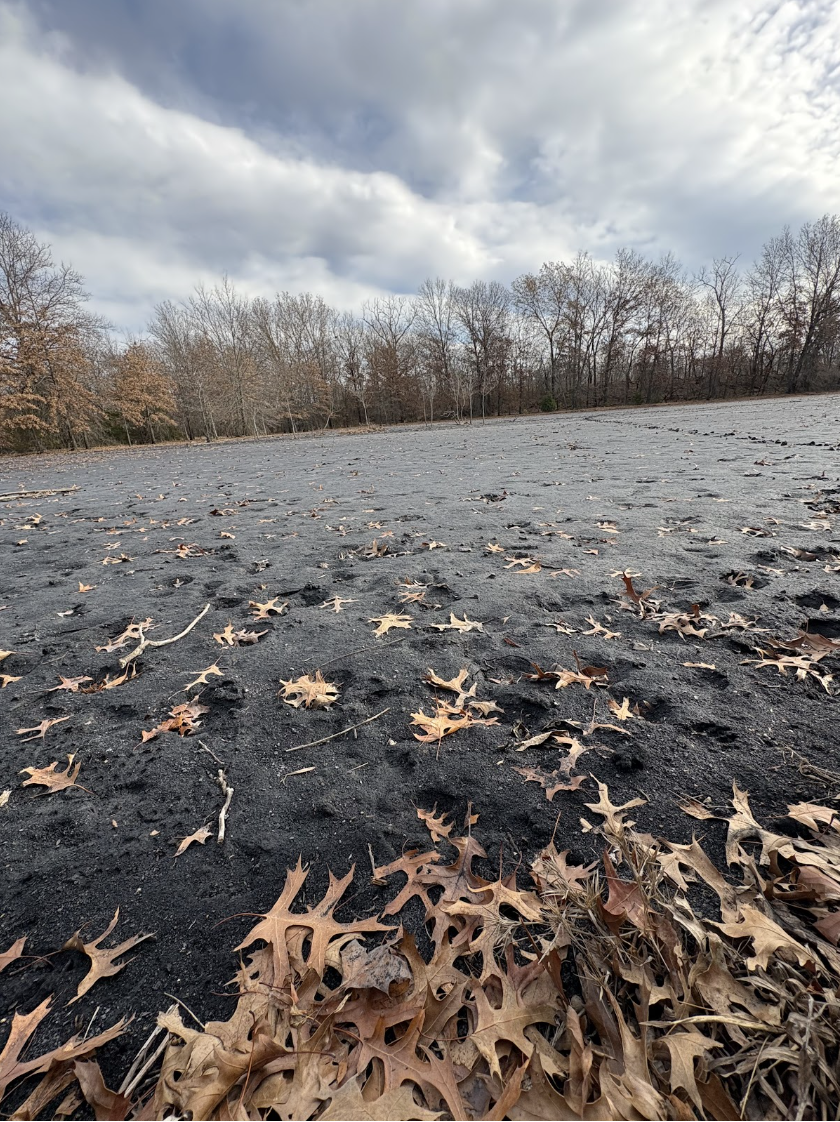
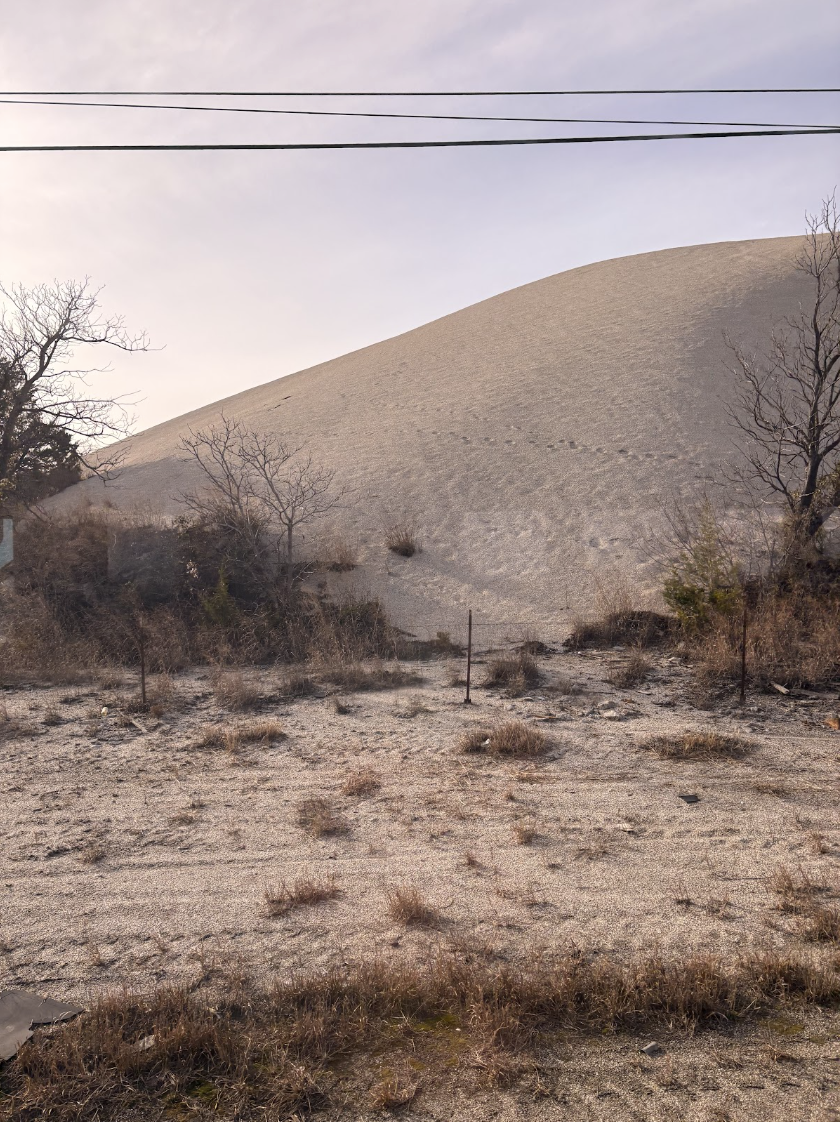
Other sights included the Trout Pit (a local fishing spot), various reclamation projects (land that had been mined and then returned to usable land, either through farming or hunting/recreational use), and an area outside of Mine 19 where fly ash collected.in Silicon Valley. They look like you and me. We have to teach our people to fly.


Southeast Kansas Seminar –Day Three
Friday, December 5, 2025
Submitted by: Paige Harding
Location: Community Health Center of Southeast Kansas – Pittsburg, Kansas
Overview of the Day
This day was focused on rural healthcare and community development centered around the Community Health Center of Southeast Kansas (CHC/SEK). While a campus tour had been scheduled, the agenda shifted due to extensive discussion with presenters. During my time there, I noted the quality of the facility and overall environment, including high employee morale and pride in the organization. When I went to purchase a Dr. Pepper as a pick me up, the ladies at the counter filled the silence by telling me how much they loved working at CHCSEK.
Community Health Center of Southeast Kansas (CHC/SEK)
Introduction to CHC/SEK
The group convened in the facility’s main auditorium and heard first from Jason Wesco, President and Chief Executive Officer. Mr. Wesco shared the history of CHC/SEK, explaining that the organization began in 2006 operating out of a 1,500-square-foot trailer with limited staff.
He described the demographic challenges of Southeast Kansas, including that approximately 35% of children in the region live in poverty and that the region is largely industrial.
He emphasized that CHC/SEK’s guiding principle is a commitment to continuous improvement and the belief that their work is never “good enough”. Participants also learned that CHC/SEK is one of roughly 1,400 community health centers nationwide and that the organization plays a central role in the community’s recovery and rehabilitation efforts, including drug court programming, where a graduation had taken place in that very room the night before.
Impact on Statewide Health
Participants learned that while Kansas ranks 34th in overall health nationally, removing Southeast Kansas from the data would shift the state to 11th in the rankings. This data highlighted the disproportionate health challenges of the region and reinforced the importance of CHC/SEK as a stabilizing influence in Southeast Kansas.
Rural Training and Workforce Development
A key highlight of the discussion was CHC/SEK’s family practice residency program, which is rare among rural healthcare systems. Mr. Wesco shared how difficult it is for rural hospitals to attract and retain medical professionals and emphasized that training doctors locally increases the likelihood that they will remain and practice in rural communities.
Founding Story
The founding of CHC/SEK was made possible through the estate of John Parolo, who moved to Southeast Kansas, served in the military, and later worked at Boeing before returning to the region. Upon his death, he left a $15 million estate, part of which was donated to support the establishment and growth of the health center.
Community Integration
The presenters noted that 70% of individuals who work in Pittsburg commute from surrounding areas. CHC/SEK was described as a deeply embedded community institution, to the point that many young adults in the region have never experienced life without the health center. Recent growth has been significant, although leadership expects expansion to stabilize as community health improves.
Healthcare Challenges
Discussion included the four major issues facing American healthcare: cost, access, quality of care, and coordination. CHC/SEK offers extensive services but does not have specialists on staff, highlighting the continued need for referrals and partnerships.
One of the central discussion questions posed to the class was how the CHC/SEK model could be replicated across the state of Kansas.
Building Health, Inc.
Overview
The group next heard from Becky Gray, Executive Director of Building Health, a nonprofit subsidiary of CHC/SEK created to address housing. Ms. Gray assumed leadership in 2023 and immediately began focusing on increasing available housing in the region.
Housing Initiatives
Building Health is currently renovating and modernizing homes to improve livability and availability. These efforts were described as essential to addressing the long-term health of the community.
Transportation and Social Isolation
A major program discussed was the “caravan,” a transportation initiative with live dispatchers that assist residents in traveling long distances to access care and services. Patients are asked at the clinic if they have transportation, and rides are scheduled on the spot when needed.
Drivers for the program are experienced professionals who assist individuals with disabilities and provide companionship to older adults who face social isolation. One of the main questions they ask while interviewing drivers is whether they have experience being around people who face social isolation.
Homelessness and Community Loss
Ms. Gray shared that “ending homelessness” is often misunderstood, explaining that homelessness is better understood as a catastrophic loss of community rather than solely a loss of housing. Building Health is currently working on a development known as “The Station,” which will include ten apartment units along with facilities for hygiene, laundry, and workforce training. The project is supported through grants and partnerships with churches and local businesses.
Afternoon Reflection: Stand and Deliver Project
Following the speakers, Francis led a class discussion on the Stand and Deliver project, followed by a structured seminar reflection.
Perspective Shifts
Participants reflected on the way historical trauma and environmental damage impact community mental health and identity, particularly as evidenced in the physical landscape.
Leadership Takeaways
Key leadership insights shared during discussion included:
Applied Learning
Participants discussed applying concepts from the session by challenging educational systems, creating energy around a shared purpose, and recruiting early for leadership development.
Questions for Ongoing Reflection
The class concluded with several reflective questions, a few of which mentioned below: